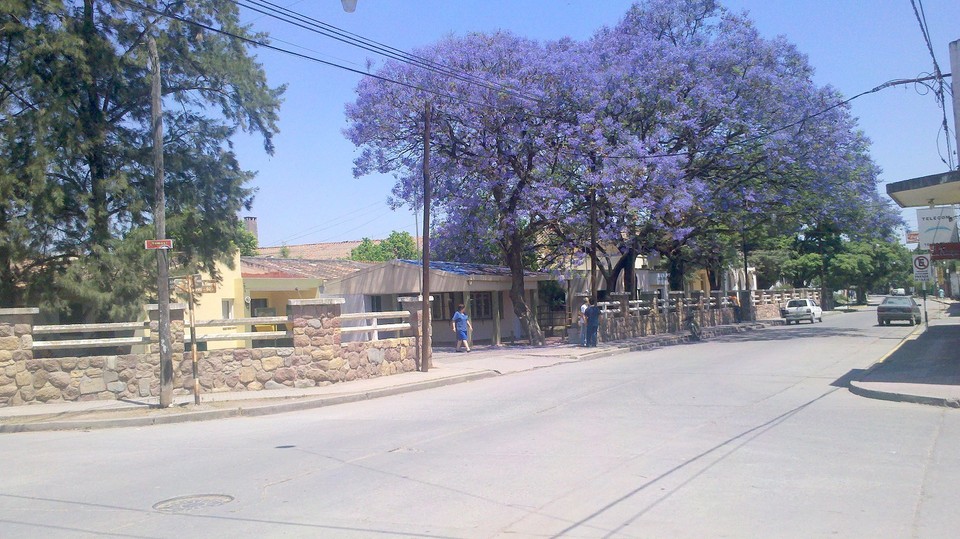
San José de Metán
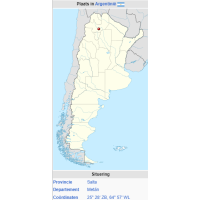
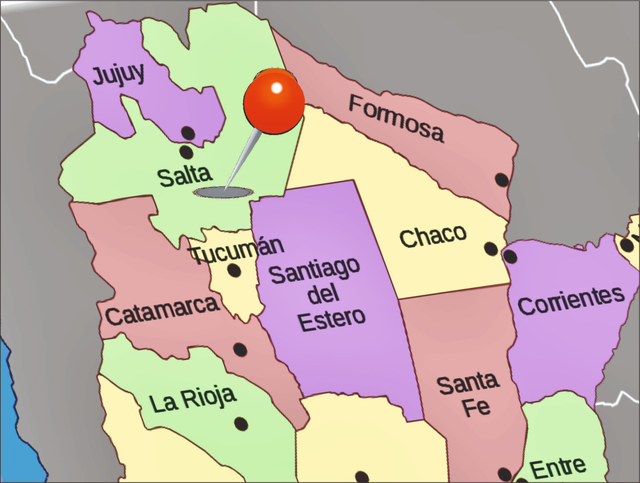
San José de Metán is a small town of 40,000 inhabitants in the north of Argentina, in the province of Salta, at the junction of the Buenos Aires–Tucumán–Salta railway, around 1900. The town itself is relatively young. The surrounding region is not: landscape, customs and family ties reach further back than the settlement along the railway.
 As in the rest of the country, many families here have a hard time. A shortage of money for basic living expenses is no exception. Poverty limits opportunities. That cannot be reasoned away with fine words about culture or solidarity.
At the same time, Metán is a town of strong families and of people who know one another. Religion plays a visible role in this. There are festivals that sometimes last a week. The best known is the veneration of the Señor y la Virgen del Milagro.
As in the rest of the country, many families here have a hard time. A shortage of money for basic living expenses is no exception. Poverty limits opportunities. That cannot be reasoned away with fine words about culture or solidarity.
At the same time, Metán is a town of strong families and of people who know one another. Religion plays a visible role in this. There are festivals that sometimes last a week. The best known is the veneration of the Señor y la Virgen del Milagro.
 That devotion comes from Salta. In September 1692 the capital was struck by severe earthquakes. Tradition links the preservation of the city to a crucifix and to Mary. Since then, every year around 15 September, salteños renew their pacto de fidelidad: processions, novenas, and pilgrims who walk for days to the cathedral.
In Metán that same story received its own date. On 25 August 1948 the earth shook here. Out of that shock grew the annual procession of the Lord and the Virgin of the Miracle, centred on the parish that bears their name. Anyone in the town during that week sees streets full of people, images, prayer, and a town that briefly comes to a standstill.
In addition, Metán celebrates its patron, Saint Joseph, in March: novena, procession, Mass, and often a parade of gauchos. Such days make visible how deeply Catholic traditions are woven into ordinary life here.
That devotion comes from Salta. In September 1692 the capital was struck by severe earthquakes. Tradition links the preservation of the city to a crucifix and to Mary. Since then, every year around 15 September, salteños renew their pacto de fidelidad: processions, novenas, and pilgrims who walk for days to the cathedral.
In Metán that same story received its own date. On 25 August 1948 the earth shook here. Out of that shock grew the annual procession of the Lord and the Virgin of the Miracle, centred on the parish that bears their name. Anyone in the town during that week sees streets full of people, images, prayer, and a town that briefly comes to a standstill.
In addition, Metán celebrates its patron, Saint Joseph, in March: novena, procession, Mass, and often a parade of gauchos. Such days make visible how deeply Catholic traditions are woven into ordinary life here.
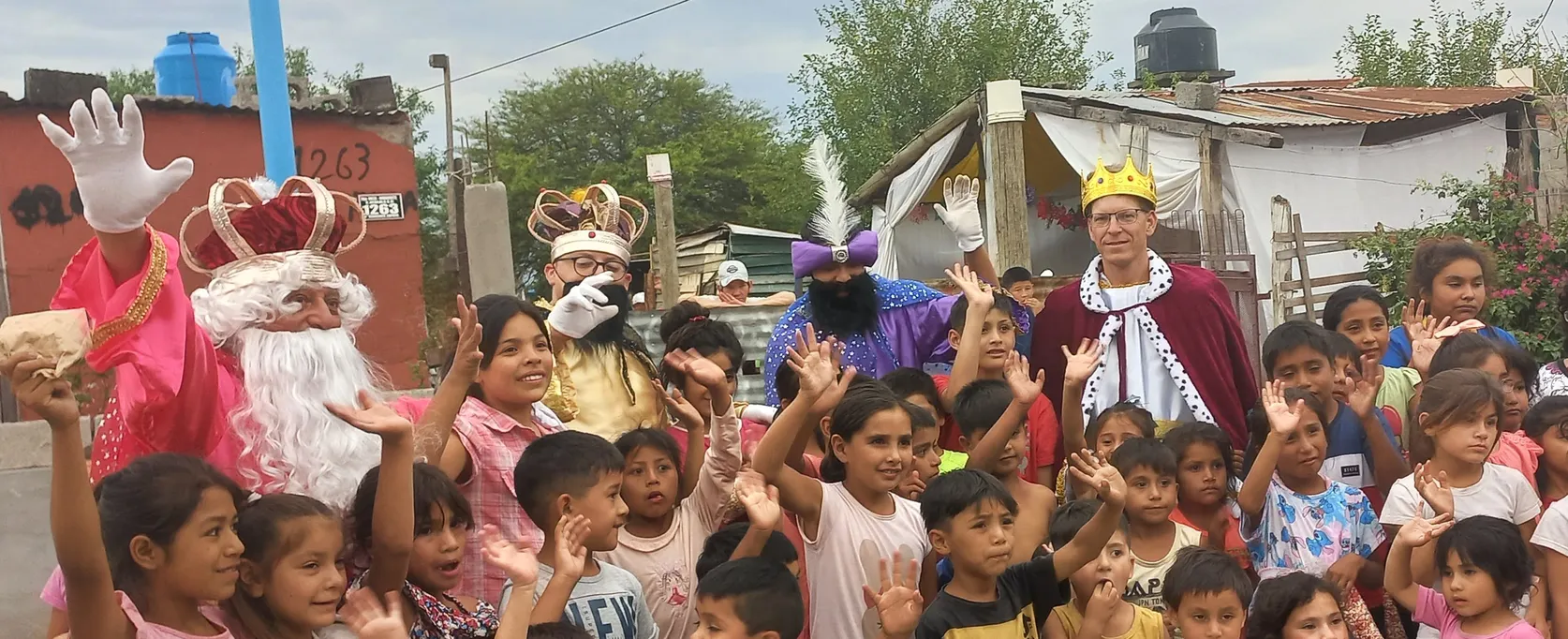 Thus there is 6 January, Epiphany. On the square in the centre there is a children’s day. Families come together; there is music and activity. We use this occasion to bring the gospel: we drive through the town with our own three kings. Not to take over the celebration, but to say where it comes from: the wise men from the East came to honour Jesus. Sometimes Jesus rides along in the procession. Then the image is concrete: the kings bow, because He is the King.